
I Wore These Sneakers for 30 Days—Here’s the Result

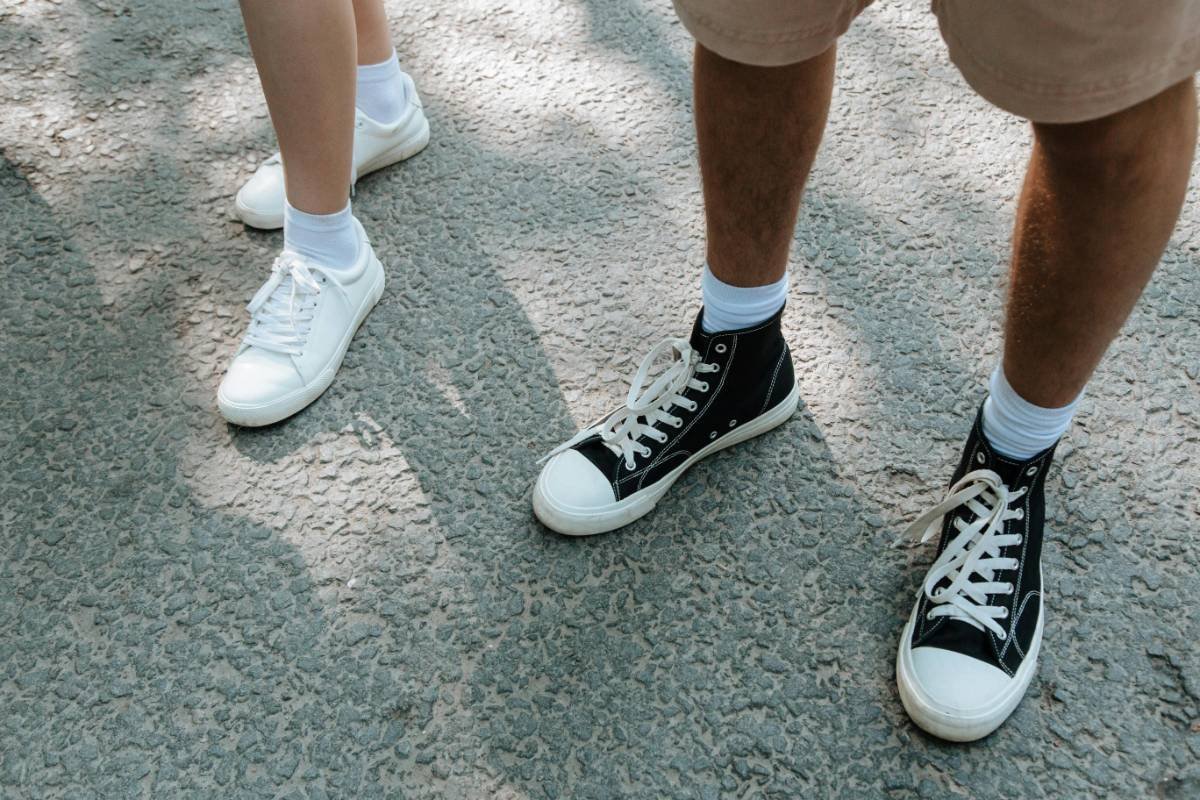
After wearing the same sneakers daily for 30 days across workouts, errands, and long walking sessions, the results revealed surprising insights about comfort, durability, foot health, and value for money. This in-depth review breaks down real-world performance and whether these sneakers truly live up to the hype.
Why I Decided to Wear the Same Sneakers for 30 Days
Sneakers today are more than just footwear—they’re a lifestyle statement, a fitness tool, and an everyday essential. With brands promising all-day comfort and performance, I wanted to test these claims over consistent daily use.
So I committed to wearing one pair of sneakers every single day—across errands, walks, casual outings, and light workouts.
What Kind of Sneakers Did I Test?
The sneakers tested were everyday lifestyle shoes, not specialized running or training footwear.
They were mid-range in price, designed for daily comfort, featuring breathable mesh uppers and cushioned soles—making them relevant for most buyers.
How I Tested Them: Real-Life Conditions
The sneakers were used in realistic daily scenarios to ensure accurate results.
Walking between 5,000 and 10,000 steps daily
Standing for extended hours
Driving and commuting
Light gym workouts
Casual social outings
They were also exposed to different environments including heat, mild rain, and dusty streets.
Day 1–5: First Impressions Matter
The first few days showed strong initial comfort.
No break-in period was required
Cushioning felt soft yet supportive
Fit was snug and secure
Minor issues included slight sole stiffness and a slightly rigid heel area.
Real-life testing showed no blisters even after long walking sessions early on.
Day 6–15: The True Test Begins
This phase revealed how the sneakers adapted to daily wear.
Cushioning settled and felt more natural
Breathability remained effective
Fit improved with continued use
However, early signs of wear appeared such as toe creasing and reduced grip on wet surfaces.
Day 16–25: Wear and Tear Becomes Visible
This stage highlighted durability.
Creases became more prominent
Sole compression slightly increased
Color fading appeared in high-contact areas
Comfort remained acceptable, though cushioning lost some responsiveness.
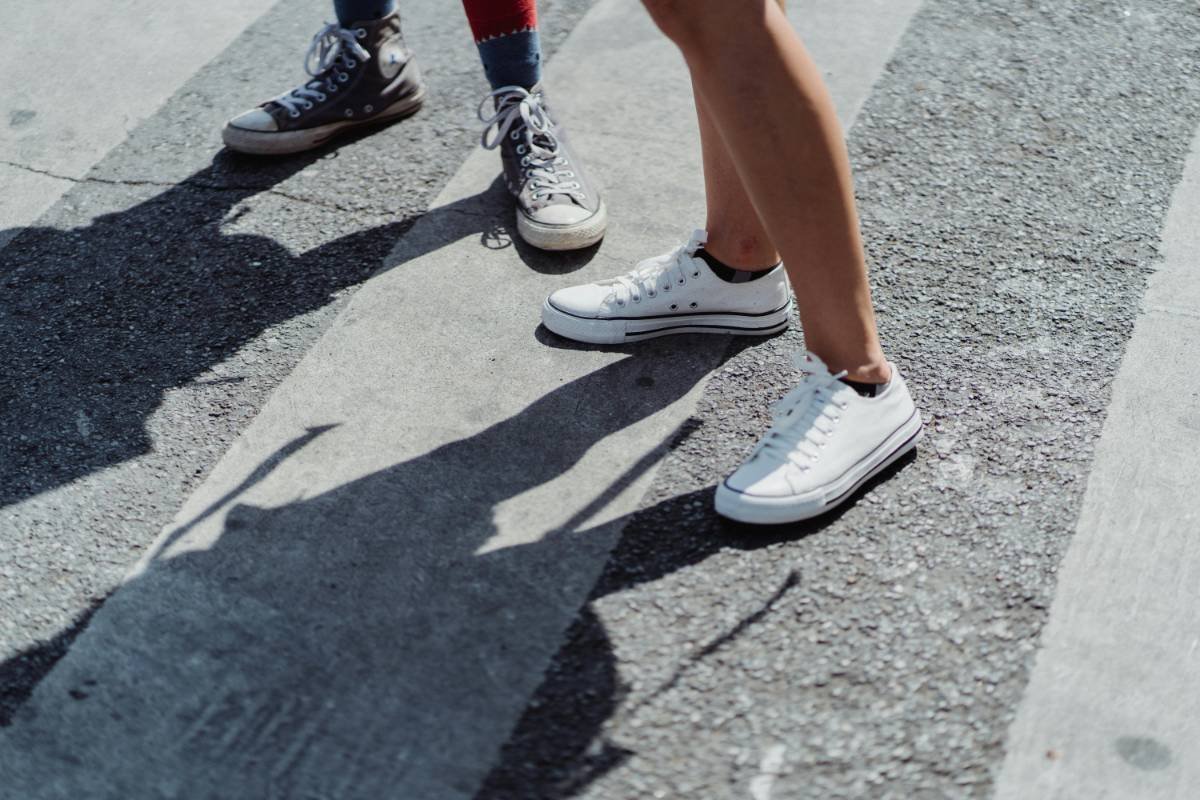
Day 26–30: Final Stretch—Do They Still Hold Up?
By the final days, performance stabilized but showed signs of fatigue.
Structure remained intact
No major damage occurred
Cushioning felt flatter than initial use
Minor odor buildup was noticeable
They remained usable but were better suited for casual wear rather than performance activities.
Key Results After 30 Days
Here’s what stood out after consistent use.
What Stayed Strong
Comfort remained above average
Fit consistency held up
No structural failure
What Declined
Cushion responsiveness
Grip in wet conditions
Overall appearance
Pros and Cons After 30 Days
Pros
Comfortable from day one
No painful break-in period
Versatile for daily use
Lightweight and breathable
Cons
Cushioning loses bounce over time
Creasing impacts aesthetics
Limited performance in wet conditions
Requires regular maintenance
Are These Sneakers Worth It?
Yes, for everyday use.
They offer comfort, style, and decent durability for casual wear. However, they are not designed for heavy performance or extreme conditions.
What This Experiment Taught Me
Wearing one pair daily revealed an important insight: sneakers perform better when rotated.
Using multiple pairs can extend lifespan and improve comfort over time.
Common Mistakes People Make When Buying Sneakers
Focusing only on style
Ignoring arch support
Choosing the wrong size
Using one pair for all activities
Avoiding these mistakes can significantly improve long-term satisfaction.
How to Make Your Sneakers Last Longer
Rotate between multiple pairs
Clean regularly
Avoid heavy rain exposure
Use shoe trees
Allow shoes to air out after use
Who Should Buy These Sneakers?
These sneakers are best suited for casual users and everyday wear.
They are ideal for students, office workers, and those seeking comfort on a budget, but not for athletes or heavy-duty use.
Real-Life Usage Scenario
Imagine wearing the same sneakers from morning coffee runs to office hours, evening errands, and casual outings—that’s exactly how these were tested, and they performed reliably across all situations.
Expert Insight
Footwear experts emphasize cushioning, arch support, and breathability as key factors in everyday sneakers. Poor footwear choices can lead to discomfort and long-term foot issues.
Frequently Asked Questions
Do sneakers lose comfort over time?
Yes, cushioning compresses with regular use.
Is it bad to wear the same sneakers daily?
Yes, it reduces lifespan and can increase foot fatigue.
How long do sneakers last with daily use?
Typically a few months before noticeable decline.
Do expensive sneakers last longer?
Often, due to better materials, but not always.
What’s the biggest sign sneakers need replacement?
Flattened soles and reduced comfort.
Final Verdict
After 30 days, these sneakers proved to be reliable, comfortable, and stylish—but not built for extreme durability. With proper care and rotation, they can easily become a dependable everyday choice.
Must Reads
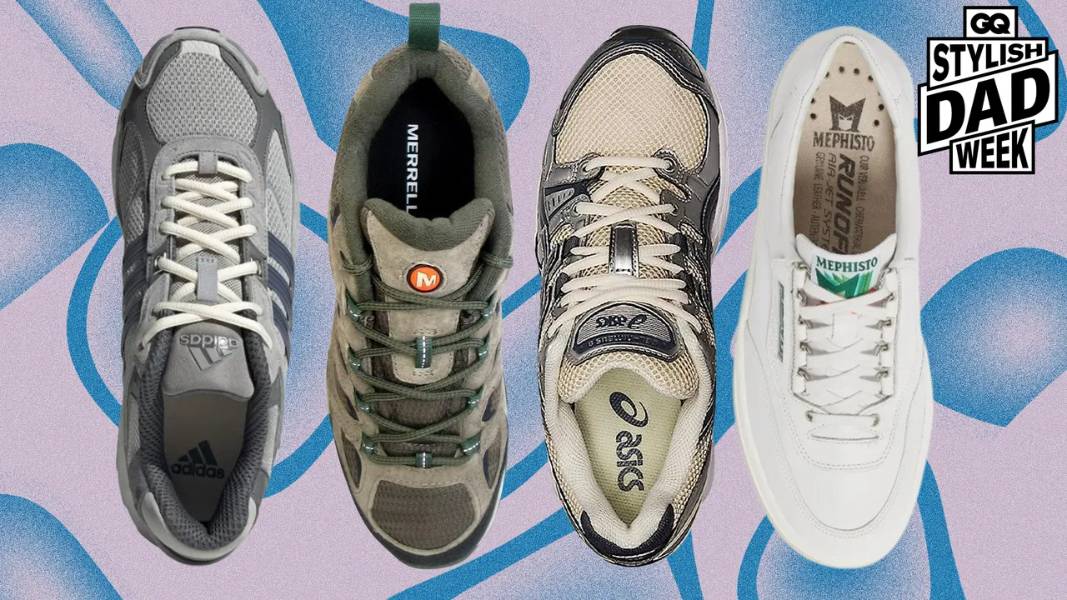
U.S. Sneaker Trends: The Most Loved Brands and Models This Year
Sneakers are more than just shoes; they're a statement of style, comfort, and performance. In 2025, the U.S. sneaker market has seen some exciting trends and developments, with new brands and models rising to the top. From athletic shoes designed for performance to stylish, everyday wearables, sneaker trends this year have been all about versatility and innovation. Here’s a breakdown of the most loved brands and models that are defining the sneaker scene in the U.S.

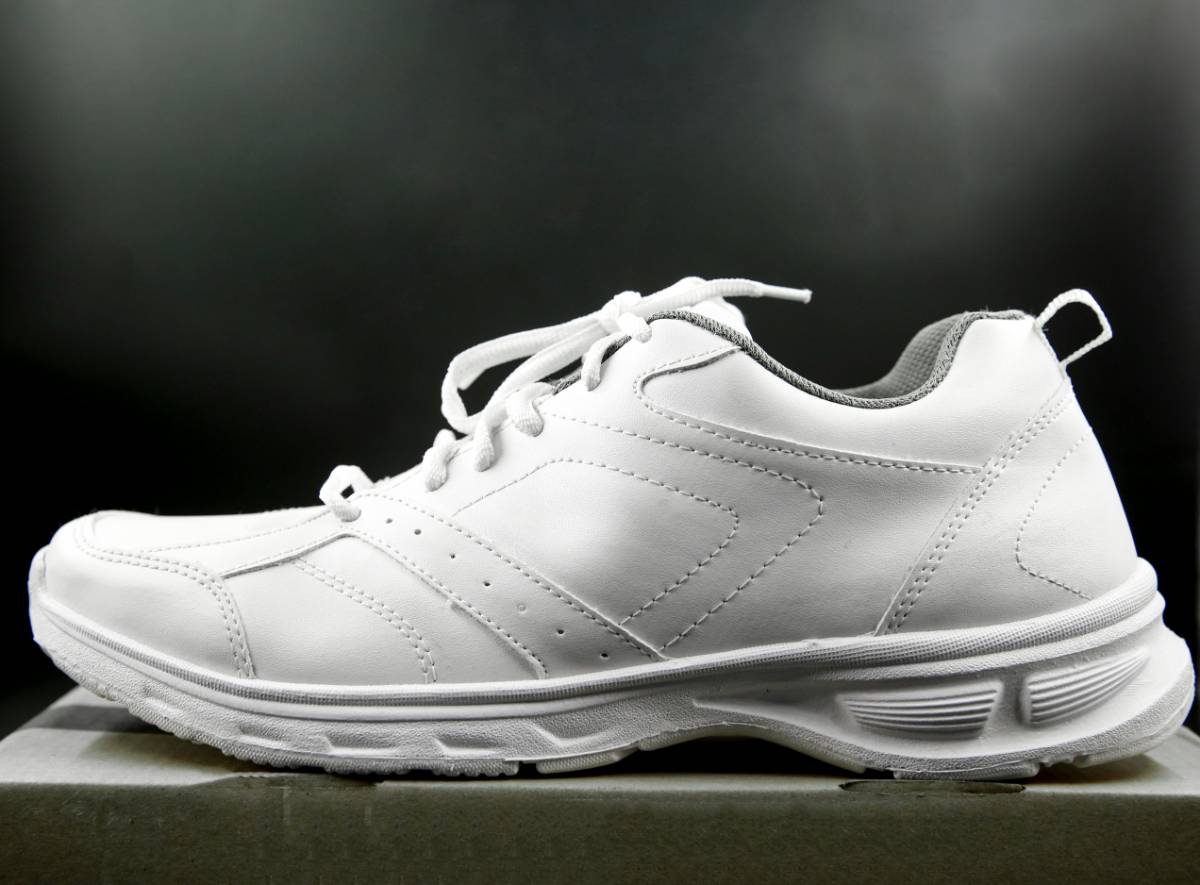
Sneaker Resale Predictions: Which New Drops Will Be Valuable?
The sneaker resale market continues to thrive, with certain releases skyrocketing in value almost instantly. Understanding which upcoming drops will be the most valuable can give collectors and investors a major advantage.

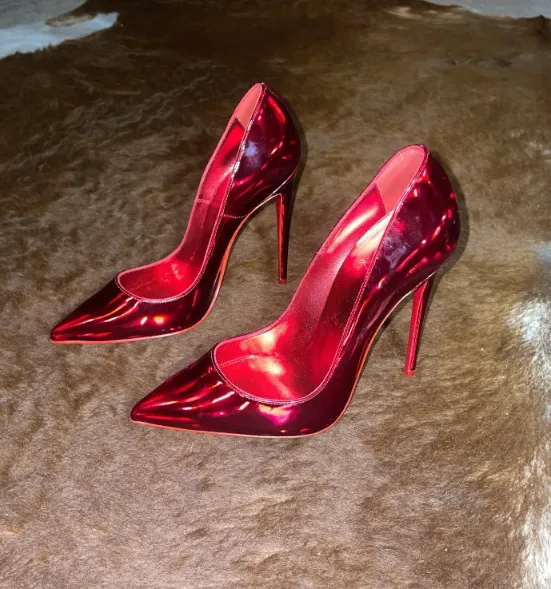
Statement Heels: The Boldest Designs of the Season
Heels are making a statement this season with daring designs, bold colors, and innovative structures. This article highlights the latest must-have high heels that are redefining fashion.
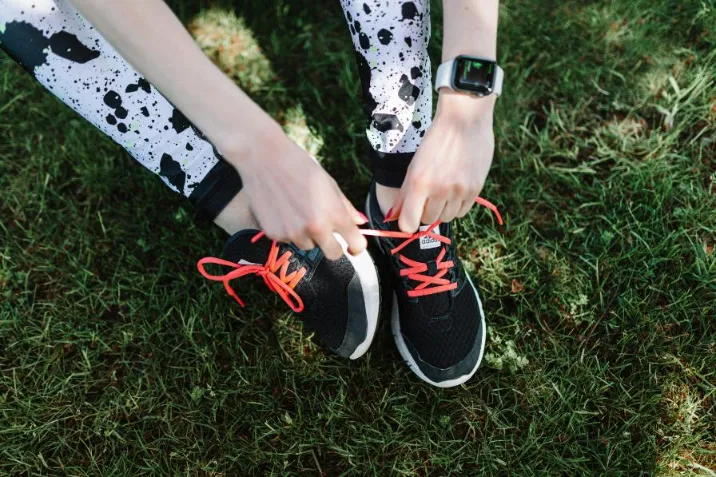
Adidas Ultraboost Review: The Best Running Shoe?
The Adidas Ultraboost is often hailed as one of the best running shoes in the market, thanks to its remarkable comfort, innovative design, and performance-enhancing features. But does it truly live up to the hype? Let's dive into a detailed review of this highly regarded running shoe.