
Reebok’s Bold Move That Could Change Everything

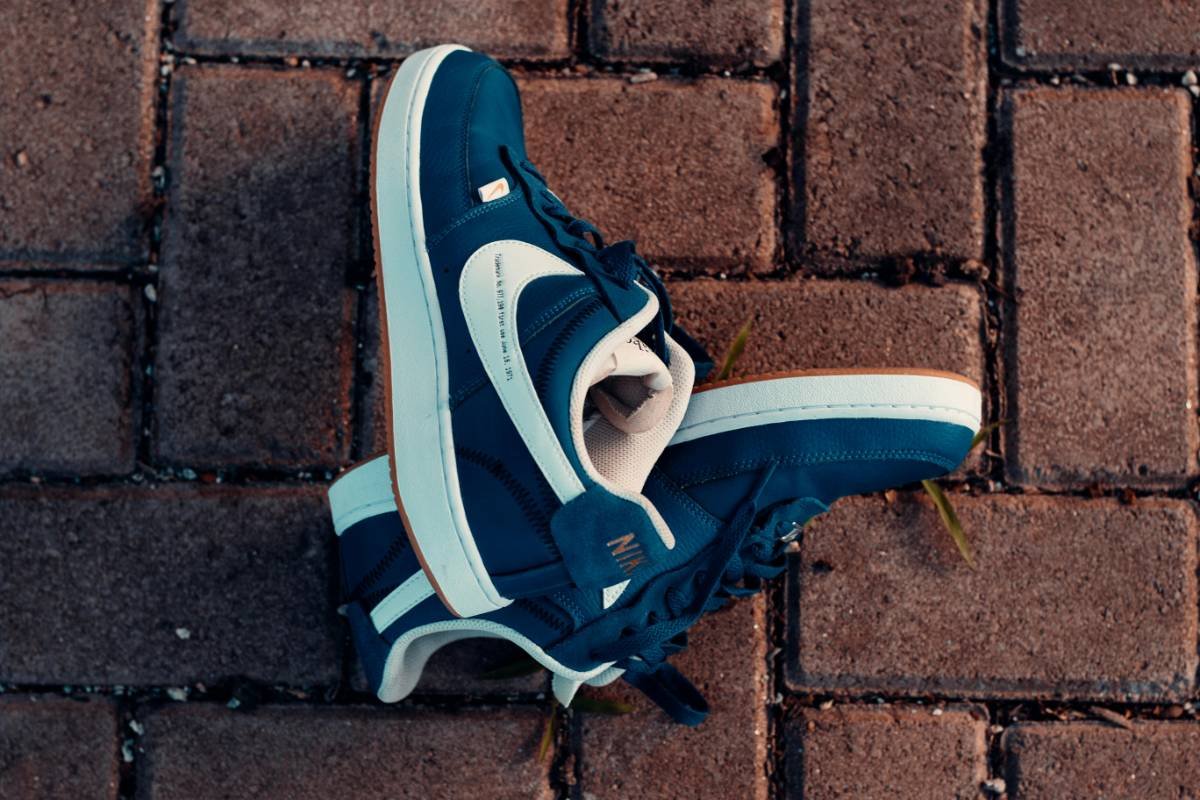
Reebok is making a bold comeback through a powerful combination of strategic repositioning, cultural collaborations, and a renewed focus on its fitness-first identity. After years of being overshadowed, the brand is now reshaping its future with clarity and purpose.
Why Reebok Is Making Headlines Again
For a long time, Reebok lived in the shadow of larger competitors. Once a dominant force in fitness culture, it gradually lost its relevance in a rapidly evolving market.
Now, with new ownership and independence, Reebok has the opportunity to redefine itself. This shift is not just a rebrand—it is a complete reset of strategy and identity.
A Bold Strategic Reset
Reebok’s comeback is built around three key moves: returning to its fitness roots, collaborating with cultural influencers, and expanding into lifestyle markets.
This focused approach is helping the brand reconnect with consumers who value authenticity and performance.

Back to Fitness-First Identity
Unlike competitors trying to dominate every category, Reebok is doubling down on fitness. It is reclaiming its space in training culture, gyms, and functional fitness communities.
This strategy is visible in its growing presence among athletes and trainers who prioritize performance and durability.
What Went Wrong Before
Under its previous ownership, Reebok struggled with identity confusion. It was unclear whether the brand was focused on performance, lifestyle, or fashion.
Meanwhile, competitors strengthened their positions, leaving Reebok stuck in the middle and losing momentum.
A Clear New Positioning
Today, Reebok is focusing on clarity. Its strategy includes a strong fitness identity, revival of classic designs, and collaborations that bring cultural relevance.
This clear direction is helping the brand stand out in a crowded market.
The Power of Nostalgia
Reebok is successfully tapping into retro culture by bringing back iconic models like Classic Leather, Club C, and Pump.
These designs combine heritage with modern styling, appealing to both older fans and younger audiences.
Celebrity and Influencer Impact
Collaborations with influencers and cultural figures are playing a major role in Reebok’s revival. These partnerships create authenticity and connect the brand with new audiences.
Unlike traditional advertising, these endorsements feel natural and relatable.
Standing Apart From Competitors
Reebok is not trying to compete directly with major brands in every category. Instead, it is carving out its own space focused on training, authenticity, and heritage.
This allows the brand to build a loyal community rather than chasing mass appeal.
Is the Strategy Working
Early signs suggest that Reebok’s approach is gaining traction. Increased online interest, stronger social media engagement, and growing popularity in fitness communities indicate positive momentum.
Many trainers and gym enthusiasts are recommending Reebok products for their stability and performance.
Challenges Ahead
Despite progress, Reebok faces challenges such as strong competition, maintaining a clear identity, and scaling globally without losing authenticity.
Balancing innovation with heritage will be key to long-term success.
Lessons From Reebok’s Comeback
Reebok’s journey offers valuable insights. Brands must focus on their core identity, embrace nostalgia carefully, and build genuine connections with their audience.
Authenticity and community-driven strategies are proving more effective than traditional marketing approaches.
What This Means for Consumers
For consumers, Reebok’s transformation means better products, stronger performance features, and more versatile designs.
Whether for gym training or casual wear, the brand is offering renewed value and relevance.
The Bigger Picture
Reebok’s comeback reflects a larger shift in consumer behavior. People are now prioritizing authenticity, functionality, and meaningful brand stories.
This trend is shaping the future of the global sneaker market.
Conclusion
Reebok’s bold move is more than just a comeback—it is a strategic reinvention. By returning to its roots while embracing modern culture, the brand is positioning itself for long-term success.
If it continues on this path, Reebok could once again become a major force in the industry.
Must Reads

Air Max 90 Review: A Classic Sneaker That Still Stands Out?
The Nike Air Max 90 has been a staple in sneaker culture for decades. Its iconic design, paired with innovative Air cushioning, has made it a favorite among sneakerheads and casual wearers alike. But does the Air Max 90 still stand out in a world of ever-evolving sneaker designs? Let's take a closer look.


Adidas Ultraboost Review: The Ultimate Comfort Test
The Adidas Ultraboost has long been celebrated for its comfort and performance. In 2025, does it still live up to its reputation as the ultimate running and lifestyle sneaker?

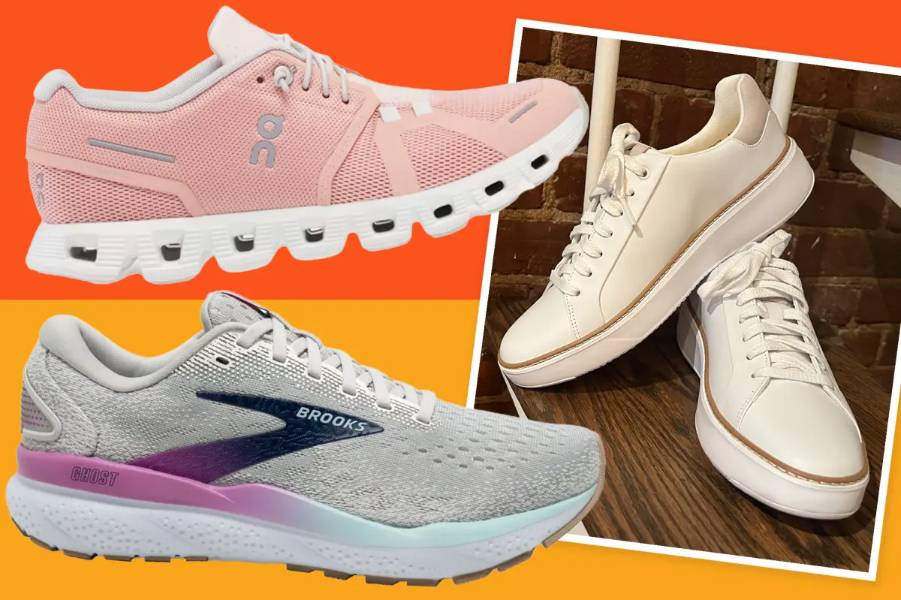
The Most Comfortable Everyday Sneakers According to U.S. Consumers
Sneakers are no longer just for workouts—they’re a staple of everyday life. Whether you're running errands, walking the dog, or navigating your daily commute, comfort is key. Based on thousands of reviews and ratings from American consumers, we've rounded up the most comfortable sneakers for everyday wear.
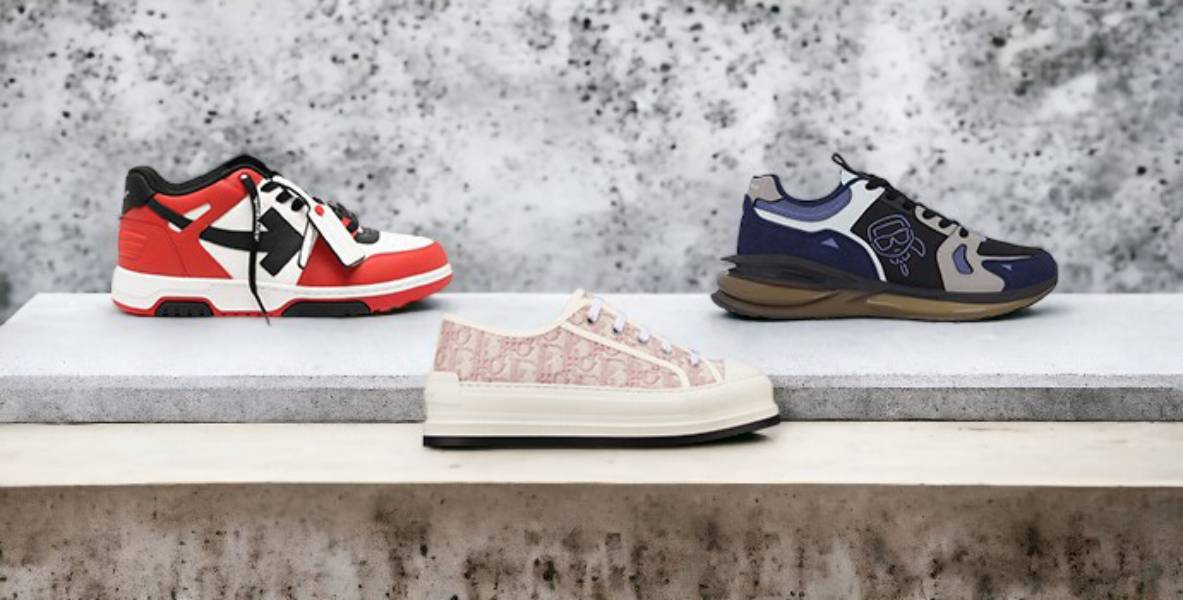
Comparing Nike, Adidas, and Under Armour in the U.S. Sneaker Scene
The U.S. sneaker market has evolved into a battleground of innovation, cultural relevance, and brand loyalty. Among the top contenders, Nike, Adidas, and Under Armour have carved out distinct identities while competing fiercely for market share and cultural dominance. Each brand has developed a unique strategy that appeals to different consumer bases—ranging from elite athletes and streetwear enthusiasts to tech-forward runners and casual sneakerheads. By comparing their design philosophies, marketing tactics, and cultural resonance, we gain insight into how these three giants influence the American sneaker landscape.